
If you’re in the construction industry or exploring building material business opportunities, you’ve likely heard of autoclaved aerated concrete (AAC). This innovative, eco-friendly material has revolutionized modern construction—offering unmatched benefits for residential, commercial, and infrastructure projects worldwide. But what exactly is autoclaved aerated concrete, and why is it becoming the top choice for builders, investors, and governments pushing for sustainable development? This guide breaks down everything you need to know, from its composition and manufacturing process to its key advantages, applications, and why investing in an AAC block production line is a profitable venture.
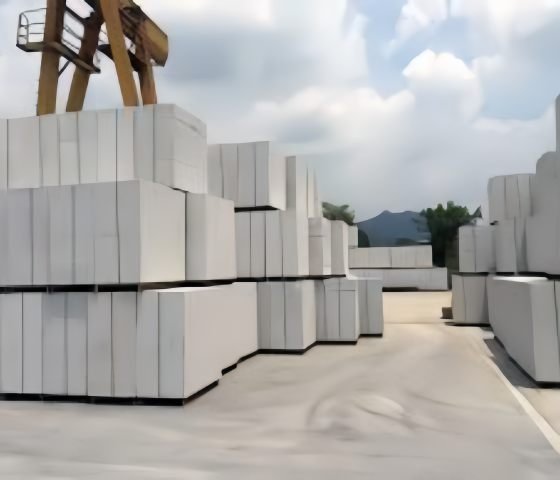
What Is Autoclaved Aerated Concrete (AAC)?
Autoclaved aerated concrete (AAC) is a lightweight, precast building material made from natural and industrial by-products. It’s created by mixing cement, lime, sand, fly ash (or other pozzolanic materials), water, and a foaming agent (typically aluminum powder). The mixture undergoes a chemical reaction that releases hydrogen gas, creating millions of tiny air bubbles—giving AAC its signature porous structure. After casting and initial setting, the material is cured in high-pressure autoclaves (hence the name “autoclaved”) at temperatures around 180°C and pressures of 10–12 bar, which strengthens the concrete through crystallization.
The result? A building material that’s 60–70% lighter than traditional concrete blocks, yet boasts impressive structural strength, thermal insulation, and fire resistance. AAC is most commonly produced as blocks, panels, or lintels, but can also be customized for specific project needs—making it versatile for diverse construction applications.
Key Composition of AAC: Eco-Friendly & Cost-Effective
One of the biggest draws of AAC is its sustainable, cost-efficient composition. Unlike traditional clay bricks or concrete blocks that rely on scarce resources, AAC leverages industrial waste and abundant raw materials:
- Cement & Lime: Provide binding properties and strength.
- Fly Ash/Sand: Fly ash (a by-product of coal-fired power plants) or sand serves as the main aggregate, reducing waste and lowering raw material costs.
- Aluminum Powder: Acts as a foaming agent, creating the aerated structure that makes AAC lightweight.
- Water: Activates the chemical reaction between ingredients.
This composition not only makes AAC an eco-friendly choice (reducing carbon footprint by up to 30% vs. traditional concrete) but also keeps production costs low—especially for investors using local raw materials (e.g., fly ash in India, sand in Southeast Asia). For entrepreneurs, this means an AAC block manufacturing plant can achieve higher profit margins while aligning with global sustainability goals.
How Is AAC Manufactured? (Simplified Process)
AAC production is a streamlined, scalable process—ideal for both small-scale startups and large industrial operations. Here’s a quick overview of the core steps in an AAC block production line:
- Raw Material Preparation: Cement, lime, sand, and fly ash are crushed, ground, and stored in silos for precise batching.
- Mixing & Foaming: Ingredients are weighed and mixed with water to form a slurry. Aluminum powder is added, triggering gas formation.
- Casting & Rising: The slurry is poured into molds, where it expands to 2–3 times its volume as gas bubbles form. It sets into a solid, porous cake.
- Cutting: The solidified cake is cut into standard or custom-sized blocks/panels using wire cutting machines for precision.
- Autoclaving: The cut pieces are cured in autoclaves for 8–12 hours, strengthening the material and enhancing its properties.
- Packaging & Delivery: Finished AAC blocks are inspected, stacked, and packaged for transportation to construction sites.
The process is highly automated, with modern AAC block making plants offering capacities ranging from 30,000 to 600,000 m³/year—perfect for investors targeting local markets (mini plants) or national/export markets (large-scale lines).
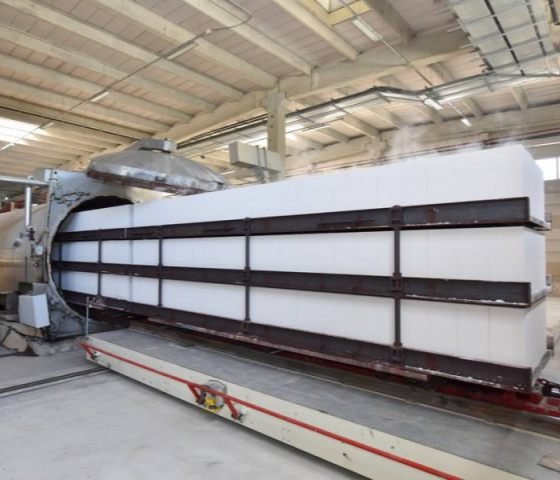
Why Choose AAC? Key Benefits for Builders & Investors
AAC’s growing popularity stems from its unmatched combination of performance, sustainability, and cost savings—addressing the top concerns of builders and investors alike:
1. Lightweight & Easy to Install
AAC blocks weigh just 500–700 kg/m³ (vs. 2400 kg/m³ for traditional concrete blocks), reducing structural load on buildings. This makes transportation easier (cutting logistics costs by 30%) and speeds up construction—labor teams can lay 2–3 times more AAC blocks per day than clay bricks. For builders, this translates to faster project completion and lower labor costs.
2. Superior Thermal & Sound Insulation
AAC’s porous structure traps air, providing excellent thermal insulation (thermal conductivity of 0.12–0.18 W/mK). This cuts heating and cooling costs for buildings by 25–40%—a major selling point for homeowners and commercial clients amid rising energy prices. It also offers sound insulation (45–55 dB), creating quieter interiors—ideal for residential complexes, offices, and schools.
3. Fire & Seismic Resistance
AAC is non-combustible and can withstand temperatures up to 1,200°C for 2–4 hours, making it a safe choice for fire-prone regions. Its lightweight, flexible structure also performs well in seismic zones (e.g., India, Indonesia, Turkey), absorbing shock and reducing building damage during earthquakes—aligning with government safety regulations.
4. Eco-Friendly & Sustainable
AAC uses 30–50% industrial by-products (fly ash, slag), reducing landfill waste. Its production consumes 60% less energy than clay brick manufacturing, and it’s 100% recyclable. With governments worldwide imposing bans on clay bricks (e.g., Pakistan, India, Nigeria) to protect soil resources, AAC is becoming a mandatory choice for sustainable construction—driving demand for AAC block production lines.
5. Cost-Effective in the Long Run
While AAC blocks may have a slightly higher upfront cost than clay bricks, their installation speed, energy savings, and durability (50+ year lifespan) result in lower total lifecycle costs. For investors, this means steady demand—especially as more projects adopt green building certifications (LEED, BREEAM).
AAC Applications: Versatile for Every Project
AAC’s versatility makes it suitable for a wide range of construction applications:
- Residential Buildings: Walls, partitions, and floors for houses, apartments, and townships (e.g., affordable housing projects under Pakistan’s Naya Pakistan Housing Program).
- Commercial Structures: Offices, shopping malls, and hotels—where thermal efficiency and quick construction are critical.
- Infrastructure Projects: Roads, bridges, and power plants (CPEC projects in Pakistan, highways in India) due to its seismic and durability benefits.
- Industrial Facilities: Warehouses and factories—lightweight yet strong enough to support heavy loads.
- Renovations: Ideal for retrofitting old buildings, as its lightweight structure doesn’t require additional structural support.
Why Invest in an AAC Block Production Line?
For entrepreneurs and investors, the rising demand for AAC presents a lucrative opportunity. Here’s why an AAC block manufacturing plant is a smart business move:
- Booming Demand: The global AAC market is projected to grow at 8.2% CAGR (2023–2030), reaching $28.7 billion by 2030 (Grand View Research). Key drivers include urbanization, housing shortages, and sustainability policies.
- Low Competition in Emerging Markets: Countries like Nigeria, Kenya, Vietnam, and Sri Lanka have high demand for AAC but limited local production—creating gaps for new investors.
- Scalable & Profitable: Mini AAC plants (30,000–100,000 m³/year) require low upfront investment ($100k–$1M) with ROI in 12–24 months. Large-scale lines (200k+ m³/year) cater to national markets and exports, generating annual profits of $500k+.
- Government Incentives: Many countries offer tax breaks, subsidies, and low-interest loans for eco-friendly manufacturing (e.g., India’s Production-Linked Incentive Scheme, EU’s Green Deal).
Final Thoughts: AAC Is the Future of Construction
Autoclaved aerated concrete isn’t just a trend—it’s a sustainable, high-performance material that’s reshaping the construction industry. Whether you’re a builder looking to improve project efficiency or an investor seeking a profitable, future-proof business, AAC offers endless possibilities.
If you’re ready to tap into this growing market, partnering with a trusted AAC block production line manufacturer is key. We offer turnkey solutions tailored to your local market—from raw material testing and plant design to installation, training, and after-sales support. Our plants are customizable for capacities 30,000–600,000 m³/year, ensuring you get the perfect setup for your budget and goals. Visit aacblockmanufacturingplant.com to learn more.